Introduction
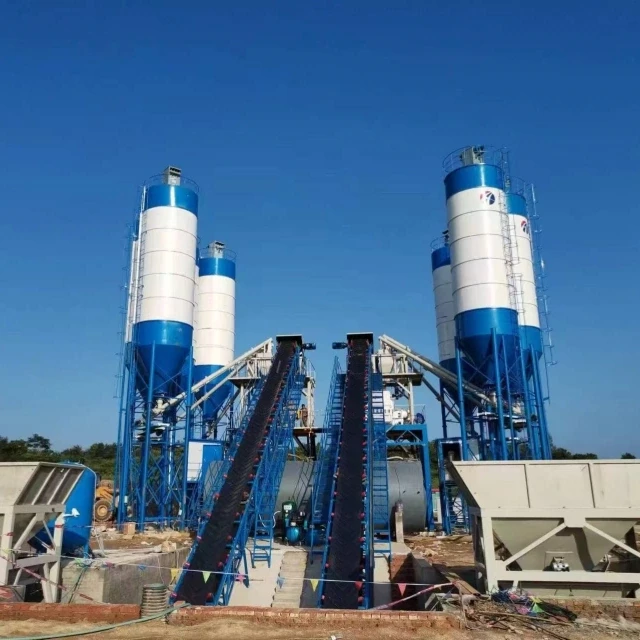
For industrial operations handling bulk cement, storage isn't just about capacity—it's about solving critical workflow bottlenecks. Modern 100-ton cement silos are engineered to address three persistent challenges: regulatory dust control, uninterrupted material flow, and real-time inventory management. This article breaks down how specialized silo features directly translate into operational efficiency and cost savings, backed by engineering principles and industry-proven designs.
Cement Silo Efficiency in Heavy-Duty Applications
Dust Containment Systems for Regulatory Compliance
Cement dust isn’t just a nuisance; it’s a regulatory red flag. OSHA and EPA standards mandate strict particulate control, and modern silos combat this with:
- Vortex-breaker vents: Disrupt air currents that carry dust during filling
- Pulse-jet filter systems: Self-cleaning mechanisms that maintain 99.9% filtration efficiency
- Sealed loading zones: Gasketed inlets prevent escape during material transfer
Ever wondered how dust containment impacts your bottom line? Fines for non-compliance can exceed $50,000 per incident—far outweighing silo upgrade costs.
Material Flow Assurance in High-Capacity Storage
Bridging and rat-holing (where cement forms stagnant clumps) cripple productivity. Anti-bridging designs include:
- Fluidizing pads: Micro-pores release controlled air bursts to loosen compacted material
- Steep cone angles (60°+): Gravity-assisted discharge prevents buildup
- Vibration-assisted hoppers: Low-frequency pulsations maintain consistent flow
A study by the National Ready Mixed Concrete Association showed plants using these features reduced unplanned downtime by 37%.
Smart Monitoring for Inventory Optimization
Traditional silos force manual checks—a safety and accuracy hazard. IoT-enabled systems now offer:
- Ultrasonic level sensors: Real-time capacity tracking ±2% accuracy
- Automated reorder alerts: Sync with procurement software to prevent stockouts
- Moisture detection: Prevent clumping by monitoring internal humidity
Industrial Cost Control Through Silo Design
Reducing Maintenance Downtime with Anti-Bridging Tech
Every hour of downtime in a concrete plant costs ~$1,200 in lost production. Key maintenance-saving features:
- Abrasion-resistant liners: 10mm thick steel plating at high-wear points
- Quick-release access panels: 30% faster inspection turnaround
- Corrosion-proof coatings: Zinc-aluminum spray extends structural life by 15 years
Energy Efficiency of Automated Dust Management
Dust collectors consume up to 20% of a plant’s auxiliary power. Modern solutions cut energy use by:
- Variable-frequency drives (VFDs): Adjust fan speed based on real-time dust levels
- Heat recovery systems: Repurpose filtered air for facility heating
Case Study: ROI Analysis for a Concrete Plant Upgrade
A Midwest plant using Garlway-compatible silos reported:
- $28,000/year saved in reduced dust disposal fees
- 19% lower energy costs via smart filtration
- 2-week payback period from eliminated flow obstructions
Conclusion: Storage as a Strategic Asset
Today’s cement silos are operational lifelines—not passive containers. By prioritizing:
- Regulatory-ready dust control
- Engineered material flow
- Data-driven inventory tools
Plants transform storage into a competitive advantage. For operations leveraging Garlway’s heavy-duty equipment integrations, these silos become the backbone of efficient, compliant production.
Ready to calculate your potential savings? Audit your current silo performance against these benchmarks to identify upgrade priorities.
Related Products
- Portable Cement Mixer with Lift Concrete Machine
- HZS120 Ready Mix Concrete Batching Plant Commercial Mud Cement Mixer
- Mini Cement Mortar Mixer Truck for Construction
- HZS35 Small Cement Concrete Mixing Batch Plant
- Construction Products Concrete Plant Machine Mixing Concrete Mixer
Related Articles
- How to Transform Your Cement Mixer into a High-Performance Art Tool
- How Component Engineering Elevates Cement Mixer Performance for Small Projects
- How to Repurpose Your Cement Mixer for Ammunition, Farming, and DIY Projects
- How to Repurpose Cement Mixers for High-Efficiency Farm Material Processing
- How Cement Mixers Solve Industrial Derusting Challenges Safely and Efficiently