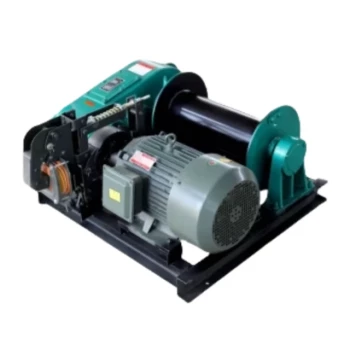
In a hydraulic winch system, pulling ability is governed by hydraulic pressure (PSI), while line speed is determined by hydraulic flow rate (GPM). These two factors, pressure and flow, are the fundamental inputs from your hydraulic power source. They work in tandem with the winch's mechanical design, such as its gearing and motor size, to produce the final performance you observe.
The core principle to grasp is the clear separation of duties: pressure provides the muscle (force), and flow provides the speed (velocity). Understanding this distinction is the key to correctly specifying, operating, and troubleshooting any hydraulic winch.

The Two Pillars of Winch Performance
A hydraulic winch is a power conversion device. It converts hydraulic power (pressure and flow) into mechanical power (force and speed). To understand its performance, we must look at both the hydraulic inputs and the winch's mechanical construction.
Hydraulic Pressure (PSI): The Force Multiplier
Hydraulic pressure, measured in Pounds per Square Inch (PSI), is the force exerted by the fluid.
This pressure acts on the winch's hydraulic motor, creating rotational force, or torque. The higher the pressure, the more torque the motor produces.
The winch's internal gearbox then multiplies this torque. Therefore, the ultimate pulling capacity is a direct result of the system's operating pressure combined with the winch's gear ratio.
Hydraulic Flow (GPM): The Speed Controller
Hydraulic flow rate, measured in Gallons Per Minute (GPM), is the volume of fluid moving through the system over time.
This flow rate dictates how fast the hydraulic motor can spin. A higher GPM forces the motor to rotate more quickly.
This motor speed, adjusted by the gear ratio, determines the final line speed of the winch cable. More flow equals a faster winch.
The Mechanical Link: Gearing and Hydromotors
The winch itself is not a passive component. Its internal design is critical for translating hydraulic power into useful work.
The gear ratio is a force multiplier. A high gear ratio will significantly increase pulling power but will reduce the final line speed for a given motor speed.
The size and type of the hydraulic motor (hydromotor) must be matched to the pump's output. It's designed to operate efficiently within a specific range of pressure and flow.
The System Behind the Winch
A winch never works in isolation. It is the final component in a complete hydraulic system, typically powered by the vehicle's engine.
The Power Source: PTO and Pump
A Power Take-Off (PTO) unit draws rotational power from the vehicle's transmission.
The PTO drives a hydraulic pump, which is the heart of the system. The pump's job is to create the flow (GPM) of hydraulic fluid.
Creating Pressure Through Resistance
A common misconception is that pumps create pressure. In reality, pumps create flow, and resistance to that flow creates pressure.
When the winch is under load, the fluid has to work hard to turn the motor. This resistance is what builds pressure in the system, up to the limits set by a relief valve.
Control and Cooling
A control valve directs the flow of fluid to the winch motor, allowing the operator to pay the line in or out.
A major advantage of hydraulic systems is that the circulating fluid continuously carries heat away from the winch, allowing it to handle heavy loads for extended periods without overheating.
Understanding the Trade-offs
When designing or choosing a system, you must balance competing factors. It is impossible to maximize both power and speed without increasing the overall power of the hydraulic source.
The Power vs. Speed Dilemma
For a given hydraulic pump (a set GPM), choosing a winch with a higher gear ratio will increase its pulling force but will inherently slow down its line speed.
Conversely, a winch with a lower gear ratio will be faster but will have less maximum pulling force for the same hydraulic input.
Hydraulic vs. Electric
Hydraulic winches are known for their durability and suitability for continuous, heavy-duty use. They can run as long as the engine is on without risk of overheating.
The downside is higher initial cost, greater complexity, and a dependency on the vehicle's engine and hydraulic system. Electric winches are simpler and cheaper but are generally suited for shorter, less frequent pulls.
The Mismatch Problem
Properly matching components is critical. A pump that provides too much flow (GPM) can damage a winch's motor. A system that cannot generate enough pressure (PSI) will never allow the winch to reach its rated pulling capacity.
Making the Right Choice for Your Goal
Your application dictates the ideal system configuration. By focusing on your primary need, you can make a clear and effective choice.
- If your primary focus is maximum pulling power: You need a system that can deliver the winch's rated hydraulic pressure (PSI) and a winch with a high gear reduction ratio.
- If your primary focus is fast line recovery: You need a hydraulic pump capable of delivering a high flow rate (GPM) that is matched to the winch's hydromotor specifications.
- If you are troubleshooting poor performance: First, verify your system's operating pressure under load to diagnose pulling issues, and then check the flow rate to diagnose speed issues.
By treating pressure and flow as two distinct variables, you can confidently specify, operate, and diagnose your hydraulic winch system for optimal performance.
Summary Table:
| Performance Factor | Governed By | Key Metric | Primary Effect |
|---|---|---|---|
| Pulling Ability / Force | Hydraulic Pressure | PSI (Pounds per Square Inch) | Creates rotational torque for maximum pulling power. |
| Line Speed | Hydraulic Flow Rate | GPM (Gallons Per Minute) | Determines the speed of cable retrieval. |
Need a heavy-duty winch built for your specific pressure and flow requirements?
GARLWAY specializes in durable construction machinery, including hydraulic winches designed for continuous, heavy-duty use. Whether your priority is maximum pulling power (PSI) or fast line speed (GPM), our experts can help you specify the right system.
Contact GARLWAY today for winches, concrete mixers, and batching plants that deliver reliable performance for construction companies and contractors globally.
Visual Guide

Related Products
- Hydraulic Winding Engine Harbor Freight Winch
- Electric and Hydraulic Winch for Heavy Duty Applications
- Small Electric Winch 120V and 240V for Compact Applications
- Electric 120V Boat Winch by Badlands
- 12000 lb Electric Boat Trailer Winch with Windlass Anchor Warn
People Also Ask
- What role does hydraulic fluid play in hydraulic winches? It's the Lifeblood of Your Heavy-Duty Pulling Power
- What vehicles commonly use hydraulic winches? For Industrial Trucks Needing Unmatched Power
- What are the features of hydraulic winches? Unmatched Power and Continuous Duty for Heavy Loads
- What preventive measures can be taken to avoid oil leakage in hydraulic winches? Ensure Long-Term Reliability
- What does 'power out' mean in a hydraulic winch? Achieve Absolute Control When Lowering Heavy Loads