Selecting the ideal winch for your application requires balancing power, efficiency, and operational demands. This guide breaks down the functional differences between manual, electric, and hydraulic winches, helping you match features to your industry’s needs—whether you’re lifting cargo onto ships, managing construction loads, or ensuring marine safety compliance.
Understanding Winch Mechanics and Applications
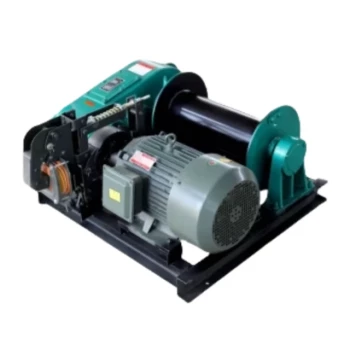
Key Components of a Winch System
Every winch consists of:
- Drum: Spools the cable or rope.
- Motor/Power Source: Manual (hand-cranked), electric (battery/mains), or hydraulic (fluid-driven).
- Braking System: Critical for load control.
- Gear Train: Amplifies torque for heavy loads.
Ever wondered why some winches handle massive loads effortlessly? The secret lies in their gear ratios and power source.
Primary Use Cases Across Industries
- Marine: Hydraulic winches dominate skidded load-outs (pulling cargo onto vessels) due to saltwater resistance and continuous operation capability.
- Construction: Electric winches streamline material handling with faster speeds and lower maintenance.
- Emergency Recovery: Manual winches serve as fail-safes where power isn’t available.
Comparative Analysis of Winch Types
Performance Metrics: Power, Speed, and Load Capacity
| Type | Max Load Capacity | Speed | Power Consistency |
|---|---|---|---|
| Manual | Up to 2 tons | Slow (user-dependent) | Low |
| Electric | 0.5–15 tons | Fast | Moderate (overheats under prolonged use) |
| Hydraulic | 5–100+ tons | Moderate | High (no overheating) |
Hydraulic systems excel in marine environments, where Garlway’s rugged designs withstand corrosive saltwater and heavy loads.
Cost Considerations: Installation and Maintenance
- Electric: Lower upfront costs but higher energy consumption. Fewer moving parts reduce maintenance.
- Hydraulic: Higher initial investment (requires hydraulic pump system) but lower long-term costs in harsh conditions.
- Manual: Minimal cost but labor-intensive.
Environmental and Operational Limitations
- Electric: Avoid submersion; battery-dependent models limit mobility.
- Hydraulic: Needs fluid checks; ideal for extreme temperatures.
- Manual: Unsuitable for repetitive heavy lifting.
Decision-Making Guide for Buyers
Matching Winch Features to Industry Needs
- Marine/Offshore: Prioritize hydraulic for durability and load capacity.
- Construction: Opt for electric for speed and ease of use.
- Remote Sites: Manual winches provide backup where power is unreliable.
Did you know? Over 60% of marine load-outs use hydraulic winches for their consistent power output.
Safety and Regulatory Compliance Factors
- Certifications: Look for CE or ISO ratings, especially for marine applications.
- Fail-Safes: Hydraulic winches often include pressure-relief valves.
- Ergonomics: Electric winches reduce worker strain versus manual cranking.
Conclusion: Actionable Advice for Your Winch Purchase
- Define Your Load Requirements: Heavy-duty? Hydraulic. Lightweight and fast? Electric.
- Assess Operational Environment: Harsh conditions favor hydraulic; indoor sites suit electric.
- Calculate Lifetime Costs: Include maintenance and energy use.
For industries demanding reliability, Garlway’s winch solutions offer tailored power and durability. Whether you’re loading cargo or securing construction materials, the right winch maximizes efficiency while minimizing downtime.
Next time you see a winch in action, consider the engineering behind its seamless performance—and how it could transform your operations.
Products You Might Be Looking For:
Explore heavy-duty electric and hydraulic winches
Related Products
- Warn Winch Windlass Boat Trailer Winch
- Electric and Hydraulic Winch for Heavy Duty Applications
- Small Electric Winch 120V and 240V for Compact Applications
- 12000 lb Electric Boat Trailer Winch with Windlass Anchor Warn
- Quick Windlass Portable Winch for Truck and Boat Best Boat Winch
Related Articles
- Beyond the Bumper: The Critical System Choice in Powering Your Trailer Winch
- Force vs. Mass: The Critical Difference in Sizing a Boat Winch
- Lines of Force: The Unseen Geometry of a Boat Winch
- More Than a Number: The Engineering Psychology of Choosing a Boat Winch
- How to Choose and Optimize Winch Speed for Maximum Efficiency