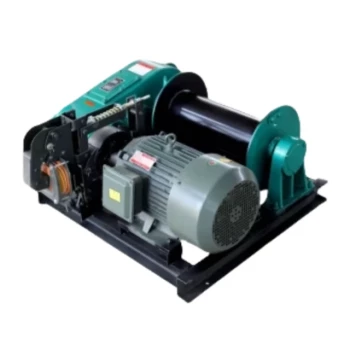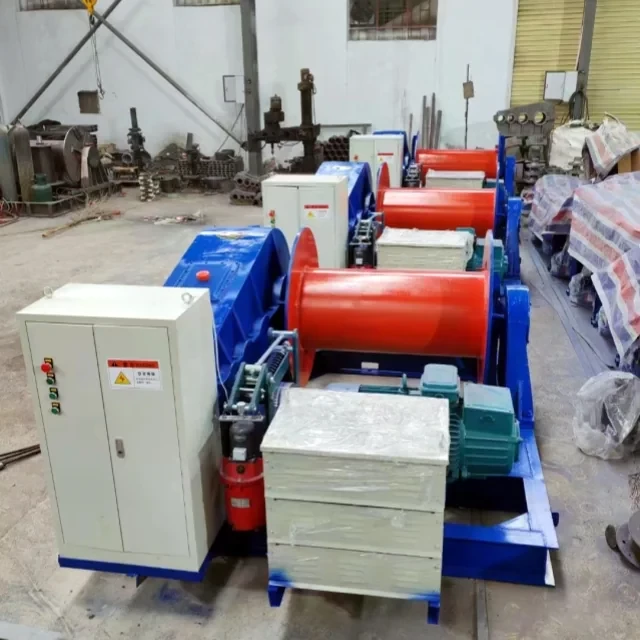
Hydraulic systems power critical operations in construction and heavy machinery—until sudden leaks, pressure drops, or component failures bring productivity to a halt. Transitioning from reactive repairs to proactive maintenance isn’t just about avoiding downtime; it’s about extending equipment lifespan by 30-50% through systematic inspection, stress mitigation, and failure response protocols. This guide breaks down the engineering strategies used by leading manufacturers to maintain hydraulic integrity in winches and heavy machinery.
Maintaining Hydraulic System Integrity
Hydraulic failures often stem from three preventable issues: fluid contamination, metal fatigue from vibration, and seal degradation. Addressing these proactively requires a dual approach: advanced detection methods and engineered solutions.
Advanced Inspection Techniques for Early Leak Detection
Catching leaks before they escalate saves up to 80% of repair costs associated with hydraulic failures. Modern diagnostics go beyond visual checks:
- Thermal Imaging: Identifies overheating in valves or pumps caused by internal leakage.
- Ultrasonic Testing: Detects high-frequency sounds from pinhole leaks in hoses.
- Fluid Analysis: Measures particulate counts and viscosity changes signaling wear.
Ever wondered why some hydraulic lines fail prematurely? Contaminated fluid accelerates seal erosion—a problem invisible to the naked eye but detectable through lab testing.
Engineering Solutions for Vibration and Stress Mitigation
Vibration-induced cracks account for 45% of hydraulic cylinder failures in construction equipment. Mitigation strategies include:
- Dampening Mounts: Isolate pumps and motors from frame vibrations.
- Pulsation Suppressors: Install accumulators to smooth pressure spikes.
- Hose Routing: Avoid sharp bends that create stress points.
For winches, reinforcing mounting brackets and using flexible hose couplings can reduce stress by up to 60%.
Implementing a Proactive Maintenance Regimen
Preventive maintenance schedules must align with operational demands. A crane winch running 12 hours daily needs more frequent checks than a backup system.
Establishing Inspection Intervals and Standards
Follow this tiered approach:
| Component | Inspection Frequency | Key Metrics |
|---|---|---|
| Hydraulic Hoses | Every 250 hours | Cracks, abrasions, fitting leaks |
| Reservoir Fluid | Quarterly | ISO cleanliness code (≤18/16/13) |
| Cylinder Rods | Biannually | Pitting, scoring depth ≤0.001" |
Did you know? Over-tightening fittings can distort seals as severely as under-tightening, leading to leaks within months.
Post-Failure Analysis and System Recovery Protocols
When failures occur, structured root-cause analysis prevents recurrence:
- Containment: Isolate affected components to prevent collateral damage.
- Forensic Sampling: Preserve fluid and metal fragments for lab analysis.
- Corrective Actions: Upgrade materials (e.g., switching to fluorocarbon seals for high-temperature applications).
For Garlway winches, post-repair validation should include a 50-hour monitored run-in period to confirm stability.
Conclusion: Transforming Maintenance into a Strategic Advantage
Proactive hydraulic maintenance isn’t an expense—it’s an investment. By combining advanced diagnostics with engineered stress solutions and rigorous scheduling, operators can reduce unplanned downtime by 70% and cut repair costs in half. Start with these steps:
- Adopt Predictive Tools: Implement thermal imaging and fluid analysis quarterly.
- Redesign Stress Points: Consult OEM guidelines for vibration dampening.
- Train Teams: Ensure technicians can interpret inspection data and failure patterns.
The result? Hydraulic systems that deliver reliable power when your projects need it most—without the surprise failures.
(Note: Garlway’s maintenance-compatible winch designs integrate these principles, featuring reinforced ports and accessible test points for streamlined inspections.)
Related Products
- Hydraulic Winding Engine Harbor Freight Winch
- Hydraulic Concrete Mixer Machine Cement Mixing Equipment for Mixture Concrete
- Electric and Hydraulic Winch for Heavy Duty Applications
- JDY350 Electric Hydraulic Mortar Mud Concrete Mixer
Related Articles
- How to Extend Hydraulic Winch Lifespan with Preventive Maintenance and OEM Parts
- Hydraulic Winches: When Heavy-Duty Power Justifies the Investment
- How to Choose the Right Winch for Your Industry’s Demands
- The Physics of Trust: Why a Winch Is Never 'Just a Winch'
- How to Match Winch Specifications to Your Operational Needs