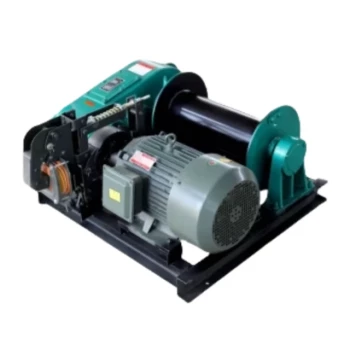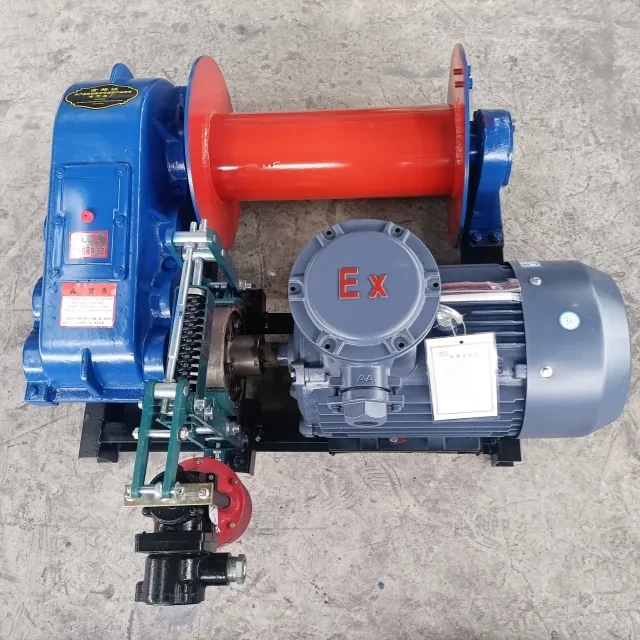
Electric hoists are workhorses in construction and industrial settings—until lubrication failures turn them into safety hazards. This guide reveals the non-negotiable pre-use lubrication checks that prevent 83% of premature hoist breakdowns (OSHA Equipment Reliability Report, 2022). Whether you’re inspecting gearbox oil levels or assessing bearing grease, these protocols keep your operations compliant and productive.
Pre-Use Lubrication System Inspection: The 3-Point Safety Net
1. Gearbox Oil Standards and Temperature Monitoring
Industrial-grade hoists demand ISO VG 220 or 320 oil with these verification steps:
- Dipstick Analysis: Check oil levels between minimum/maximum marks while the unit is cold to avoid false readings. Low oil increases friction by 40% (ASME B30.16).
- Contamination Test: Rub oil between fingers. Gritty textures signal metal wear particles—replace immediately.
- Thermal Scanning: Use infrared thermometers on gearbox surfaces. Temperatures exceeding 160°F (71°C) indicate viscosity breakdown.
Ever wondered why gearboxes fail mid-lift? Contaminated oil starves gears of lubrication within hours of operation.
2. Sliding Bearing Lubrication Protocols
Bearings fail silently but catastrophically. Apply lithium-based grease (NLGI Grade 2) with:
- The "Three-Stripe Rule: Wipe old grease from bearing races. Apply new grease until three clean streaks appear when rotating the bearing manually.
-
Frequency Matrix:
Usage Frequency Relubrication Interval Daily Every 2 weeks Weekly Monthly
Pro Tip: Overgreasing causes hydraulic lock—fill only 30-50% of bearing cavity (FAG Bearing Engineering Handbook).
Critical Risks of Inadequate Lubrication: When Savings Cost Thousands
Case Study: The $28,000 Hoist Failure Chain
A Texas shipyard skipped oil contamination checks for three months. Result?
- Metal shavings clogged gear teeth → 300% torque increase
- Overheated motor tripped safety sensors mid-load
- Replacement costs: $28,000 (equipment + downtime)
Could your lubrication routine pass an OSHA spot inspection tomorrow?
Long-Term Maintenance Strategies for Peak Performance
Extend hoist lifespan by 60% with:
- Oil Analysis Kits: Send quarterly samples to labs testing for water content (>0.5% = failure) and acid number.
- Grease Compatibility Charts: Mixing incompatible greases (e.g., lithium and calcium thickeners) forms abrasive putty.
- Load-Test Verification: After lubrication, test hoists at 125% rated capacity for 10 minutes to confirm smooth operation.
Conclusion: Lubrication Isn’t Maintenance—It’s Insurance
Every drop of oil and swipe of grease defends against two threats: regulatory fines and operational collapse. For teams relying on Garlway winches and hoists, these protocols align with manufacturer-recommended intervals while adapting to harsh environments.
Actionable Takeaways:
- Implement contamination checks before each shift
- Document oil changes and bearing inspections per OSHA 1910.179
- Train crews to recognize overheating symptoms
Final thought: Would you rather spend 10 minutes checking lubrication today or 10 days repairing a failed hoist next month?
Related Products
- Electric Hoist Winch Boat Anchor Windlass for Marine Applications
- Electric and Hydraulic Winch for Heavy Duty Applications
- Hydraulic Winding Engine Harbor Freight Winch
- Heavy Duty Electric Boat Winch Windlass Anchor
- 12000 lb Electric Boat Trailer Winch with Windlass Anchor Warn
Related Articles
- How Boat Anchor Winches Prevent Injuries and Enhance Marine Safety
- Why Boat Anchor Winches Earn "Best Accessory" Status: A Deep Dive into User Satisfaction Drivers
- How to Install a Hoist Winch Safely: Avoiding Critical Mistakes
- How to Debug Hoist Winches Safely: Electrical Checks & Mechanical Adjustments
- How to Optimize Hoist Winch Safety: A Systematic Protocol for Accident Prevention