Introduction
Achieving consistent mixing uniformity in industrial mixer trucks isn't just about running the machine—it's about engineering the process around material properties. Whether you're handling cement slurry or granular aggregates, the right blade design, speed, and duration can mean the difference between a homogenous mix and costly material segregation. This guide breaks down the science behind mixing dynamics and provides actionable strategies to tailor your mixer truck’s operation for maximum efficiency.
Engineering Principles of Mixing Uniformity in Flat Mouth Mixer Trucks
Blade Geometry and Material Flow Dynamics
The shape and angle of mixer blades directly determine how materials move inside the drum. Spiral blades, for instance, create a "fold-and-push" action that lifts materials from the bottom and redistributes them radially.
Key Considerations:
- Cohesive Materials (e.g., cement slurry): Require blades with steeper angles to counteract clumping.
- Granular Aggregates: Benefit from wider, flatter blades that promote rolling motion without excessive shear.
Did you know? The same mixer truck can produce uneven results if blade geometry isn’t adjusted for material cohesion.
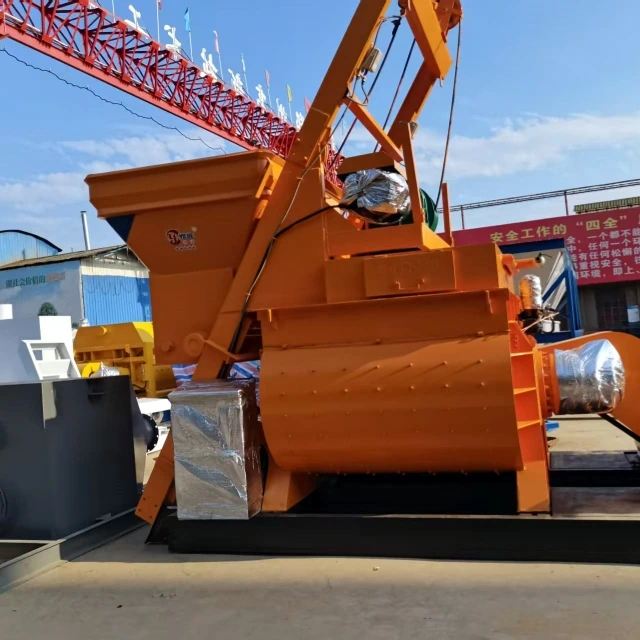
Balancing Mixing Speed and Shear Sensitivity
Higher rotation speeds don’t always equal better mixing. Viscous materials like high-density slurries can suffer from "dead zones" if the speed exceeds their flow threshold.
Operational Sweet Spots:
- Low-Viscosity Mixes: 12–15 RPM ensures rapid turnover without segregation.
- High-Viscosity Mixes: 8–10 RPM minimizes energy waste and heat buildup.
Pro Tip: Monitor mix consistency by observing flow patterns during discharge. Streaks or clumps signal suboptimal speed or blade configuration.
Case Studies in Industrial Mixing Efficiency
Cement Slurry vs. Granular Aggregate: Design Adjustments
Cement’s adhesive properties demand aggressive mixing to prevent hydration pockets, while aggregates rely on gentler motion to avoid crushing.
Solutions in Practice:
- Cement: Use spiral blades with a 45° pitch to ensure vertical circulation.
- Aggregates: Opt for shorter blades with a 30° pitch to preserve particle integrity.
Ever wondered why some mixes harden unevenly? Inconsistent blade contact is often the culprit.
Overcoming Segregation in High-Viscosity Materials
Thick mixtures (e.g., polymer-modified concrete) are prone to settling. The referenced portable mixer studies show that continuous mixing—enabled by precise blade placement—reduces manual rework by 50%.
Tactics:
- Extended Mixing Duration: 5–7 minutes for viscous materials vs. 3–4 minutes for standard concrete.
- Layer Loading: Add liquids gradually to let blades distribute them evenly.
Conclusion: Tailoring Your Mixer Truck’s Performance
Uniform mixing hinges on aligning blade design and operational parameters with material behavior. For cohesive substances, prioritize steep, spiral blades and moderate speeds. Granular materials thrive with shallow-angle blades and slower rotation.
Actionable Steps:
- Audit your current mixer’s blade geometry against material specs.
- Test incremental speed adjustments with small batches.
- Document discharge patterns to identify improvement areas.
By treating your mixer truck as a system—not just a tool—you’ll achieve repeatable quality while reducing waste.
(Aligned with Garlway’s expertise in construction machinery innovation, these principles ensure your equipment delivers precision at scale.)
Related Products
- Mini Cement Mortar Mixer Truck for Construction
- Ready Mixer Machine for Construction Ready Mix Machinery
- JZC1000 Industrial Concrete Mixer Machine Cement Mixer Price
- JW1000 Mobile Cement Mixer Concrete Mixer Truck and Batching Plant
- Commercial Construction Mixer Machine for Soil Cement Mixing Concrete
Related Articles
- How Mortar Mixer Trucks Preserve Quality During Transit: A Contractor's Guide
- How to Optimize Mixer Truck Speed for Maximum Efficiency Without Compromising Safety
- How Small Cement Mixers Deliver Cost-Efficiency, Health Safety, and Versatility
- How Small Cement Mixers Solve Big Construction Challenges
- How Small Cement Mixers’ Smart Design Saves Time and Reduces Strain