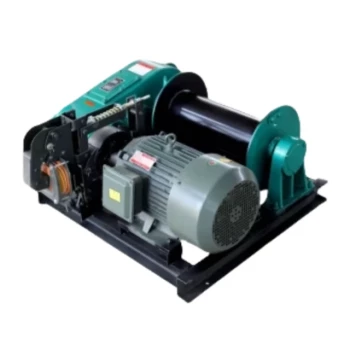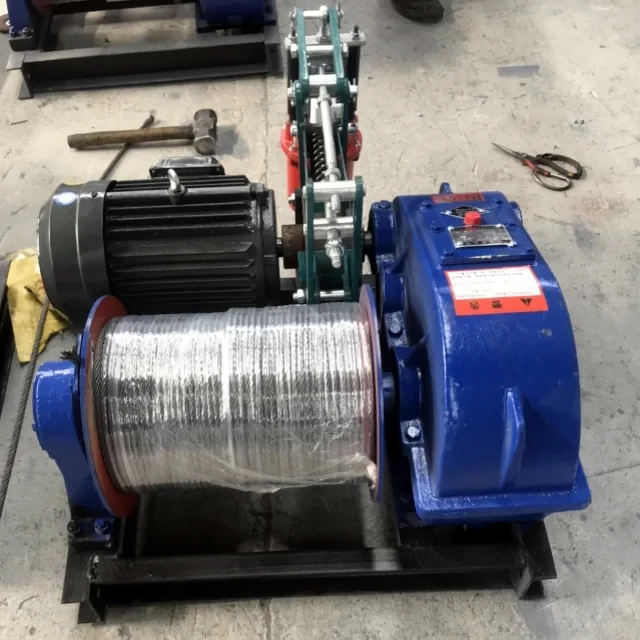
Modern fishing isn't just about luck—it's about strategy. By leveraging anchor winch technology, anglers can execute data-driven relocation tactics that maximize catch rates while minimizing effort. This article explores how fish behavior science, precision positioning, and the right winch selection create a competitive edge in habitat targeting.
The Science of Strategic Relocation in Fishing
How Fish Behavior Dictates Optimal Positioning
Fish congregate in specific habitats based on tides, temperature, and prey availability. Studies show that species like tuna or cod follow predictable migration paths tied to underwater topography and currents. Ever wondered why some spots yield consistent hauls while others fall flat? The answer lies in hydrodynamic "sweet spots" where food sources accumulate.
Anchor winches enable rapid repositioning to these zones by:
- Reducing setup time: Automated retrieval eliminates 15–20 minutes of manual labor per move.
- Enabling micro-adjustments: Shift 50–100 meters to stay within thermoclines (temperature layers where fish feed).
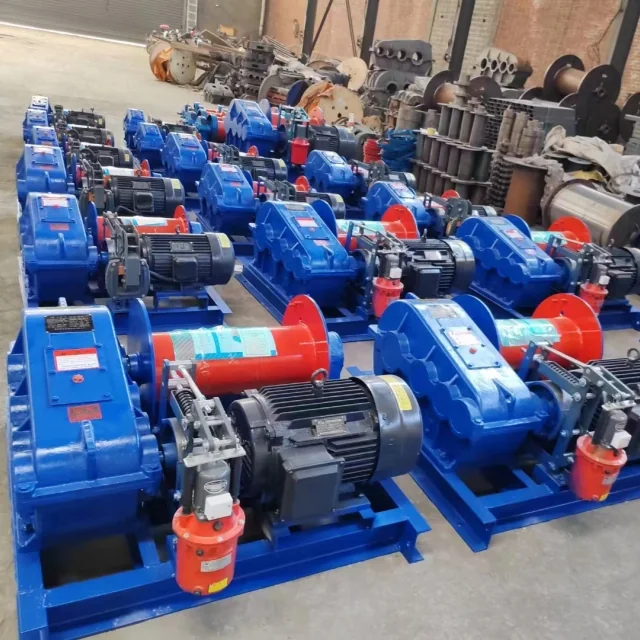
Winch-Driven Habitat Sampling Techniques
Instead of anchoring blindly, modern anglers use:
- Grid sampling: Deploying anchors at 200-meter intervals to test bite rates.
- Tidal synchronization: Using winches to maintain position in currents where baitfish get funneled.
Hydraulic winches excel here—their clutch mechanisms allow free-fall drops in strong tides, while their durability supports repeated use.
Operational Advantages of Modern Anchor Systems
Precision Positioning for Tidal & Depth Variations
A Garlway winch’s remote control integration with fish finders lets anglers:
- Hold position directly above submerged structures (e.g., reefs or drop-offs).
- Adjust rode length instantly when depth sounders detect baitfish schools.
Case in point: In tidal zones, a 10° anchor angle change can mean the difference between a full net and a missed opportunity.
Reducing Energy Expenditure Between Hotspots
Manual anchoring burns 300+ calories/hour and risks injury. Winches cut this effort by 90%, allowing crews to:
- Focus on gear preparation and fish tracking.
- Make 5–6 more relocations per trip without fatigue.
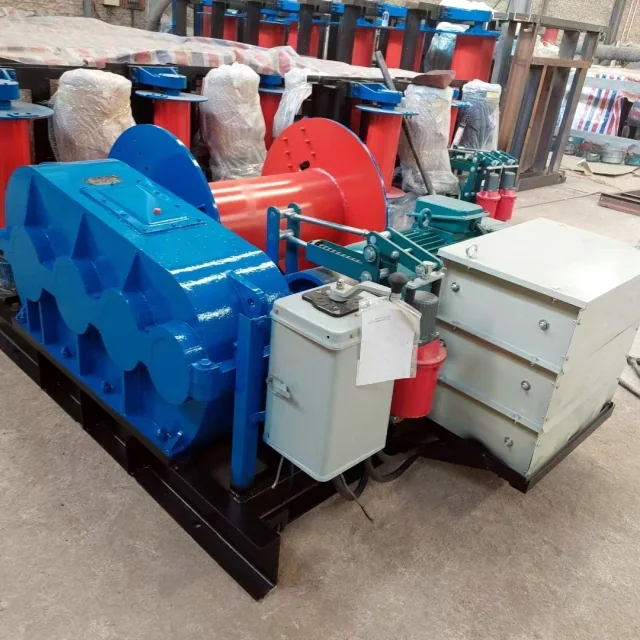
Selecting a Winch for Tactical Angling
Load Capacity vs. Boat Size Calculations
Rule of thumb: Your winch should handle 3x the combined weight of your anchor, chain, and rope. For a 30-foot boat with 50 lbs of rode, opt for a 150-lb capacity model.
Key considerations:
- Boat displacement: Heavier vessels need winches with higher torque.
- Anchor type: Plow anchors require more power than fluke styles.
Remote Control Integration with Fish Finders
Look for:
- Wireless remotes: Operate the winch from the helm while monitoring sonar.
- Auto-stop features: Prevent over-retrieval that could damage gear.
Garlway’s hydraulic systems, for instance, offer programmable presets for common depths, syncing with GPS waypoints.
Conclusion: Smarter Fishing Starts with the Right Tools
Anchor winches aren’t just convenience devices—they’re force multipliers that turn oceanic data into actionable strategies. By prioritizing precision, safety, and integration with fish-finding tech, anglers can:
- Reduce downtime between productive spots.
- Extend fishing windows by conserving crew energy.
- Boost catch consistency through scientific relocation.
For vessels under 40 feet, a mid-range hydraulic winch strikes the ideal balance of power and responsiveness. Ready to upgrade your approach? Explore winches designed for your boat’s unique demands—because in modern fishing, mobility equals opportunity.
Related Products
- Electric Hoist Winch Boat Anchor Windlass for Marine Applications
- 12000 lb Electric Boat Trailer Winch with Windlass Anchor Warn
- Best 18000 Pound Drum Anchor Trailer Winch
- Heavy Duty Electric Boat Winch Windlass Anchor
- Portable Small Trailer Winch
Related Articles
- How Boat Anchor Winches Prevent Injuries and Enhance Marine Safety
- Why Boat Anchor Winches Earn "Best Accessory" Status: A Deep Dive into User Satisfaction Drivers
- How to Install a Hoist Winch Safely: Avoiding Critical Mistakes
- How to Debug Hoist Winches Safely: Electrical Checks & Mechanical Adjustments
- How to Optimize Hoist Winch Safety: A Systematic Protocol for Accident Prevention