Introduction
When electrical equipment fails, every second counts—but acting without proper knowledge can turn a manageable incident into a tragedy. This guide equips non-technical staff with a clear, actionable protocol to mitigate risks during electrical emergencies while emphasizing when to step back and call professionals. Backed by industry best practices, we’ll break down:
- Immediate life-saving actions (and what never to do)
- Post-incident accountability steps to prevent recurrence
- Proactive maintenance checks tailored for heavy machinery
Electrical Equipment Failure Response Protocol
Critical Risks of Untrained Intervention
Electrical emergencies—sparks, smoke, or sudden shutdowns—trigger a natural "fix-it" instinct. But untrained intervention risks:
- Electrocution: Even de-energized equipment may retain lethal residual current.
- Arc flashes: Temperatures can exceed 35,000°F—hotter than the sun’s surface—causing severe burns.
- Secondary fires: Faulty repairs may ignite flammable materials nearby.
Did you know? Over 30% of workplace electrical injuries occur when non-electricians attempt repairs (OSHA).
Step-by-Step Emergency Containment Actions
Follow this hierarchy to protect lives first:
- Isolate the hazard:
- Activate emergency stop buttons (if safe to reach).
- Use insulated tools to disconnect power sources only if trained.
- Evacuate and alert:
- Clear the area within a 10-meter radius.
- Designate a team member to call emergency electricians immediately.
- Suppress fires safely:
- Class C fire extinguishers (CO₂ or dry chemical) are mandatory for electrical fires. Water spreads current.
Visual metaphor: Treat live equipment like a venomous snake—observe from a distance, and let handlers neutralize the threat.
Post-Incident Accountability and Prevention
Documentation Requirements for Compliance
Thorough records protect your team and business:
- Incident logs: Note time, location, witnesses, and actions taken.
- Equipment history: Flag prior malfunctions (e.g., flickering lights or unusual noises).
- Regulatory reports: OSHA mandates documentation within 6 hours for severe incidents.
Preventive Maintenance Checklist for Heavy Machinery
Reduce emergencies by scheduling these checks for winches and construction equipment:
- Monthly:
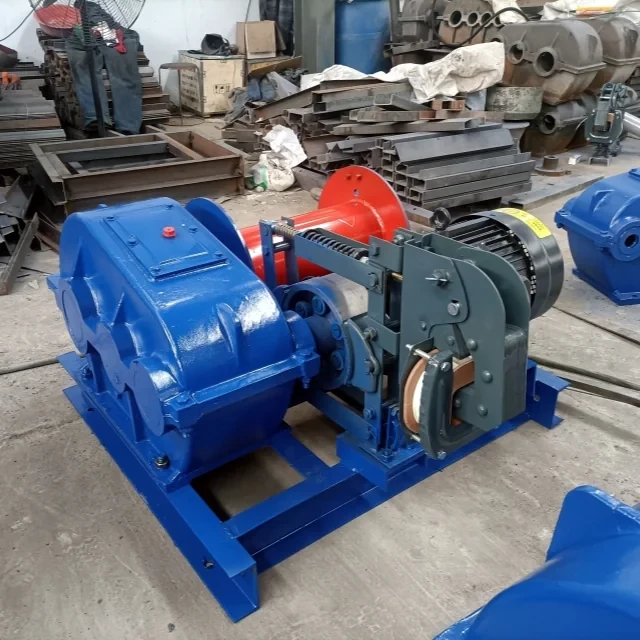
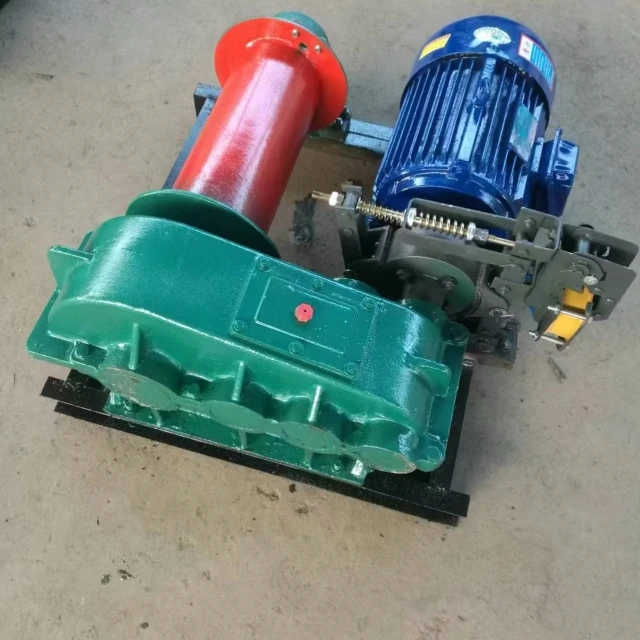
- Inspect cables for fraying (common in Garlway winches under heavy loads).
- Test ground-fault circuit interrupters (GFCIs).
- Quarterly:
- Thermographic scans to detect overheating components.
- Tighten all electrical connections—vibration loosens them over time.
Interactive question: Could your team spot early warning signs like buzzing panels or burning smells?
Conclusion: Safety Is a System, Not a Single Act
Electrical safety hinges on preparation and restraint. Non-technical staff play a vital role by:
- Containing emergencies without direct contact.
- Escalating to professionals—delay costs lives.
- Advocating for preventive care of machinery.
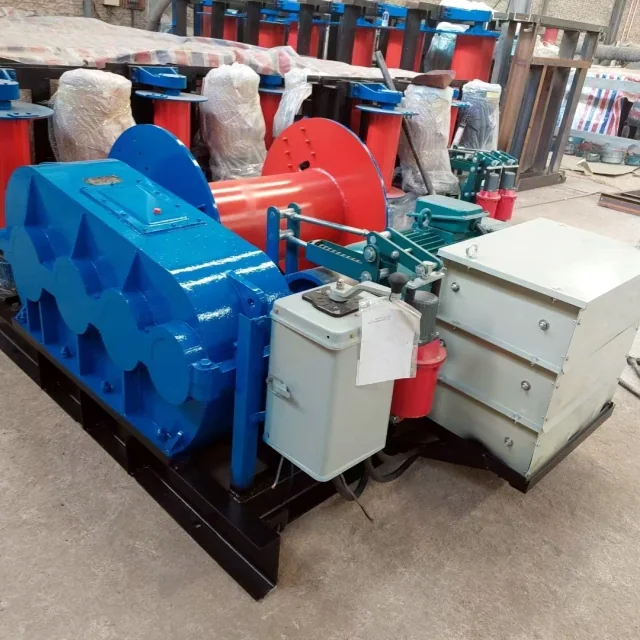
For teams using industrial equipment like Garlway winches, pair this protocol with manufacturer-recommended servicing. Because the best emergency response is one you never need to use.
Actionable next step: Conduct a 15-minute drill this month simulating an electrical fire—practice isolation, evacuation, and communication.